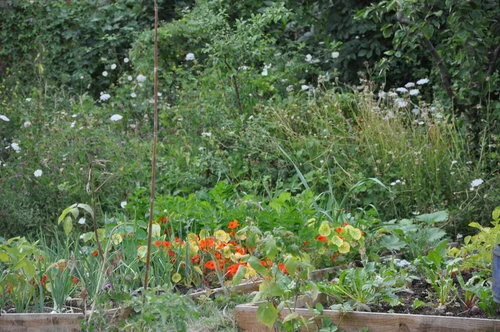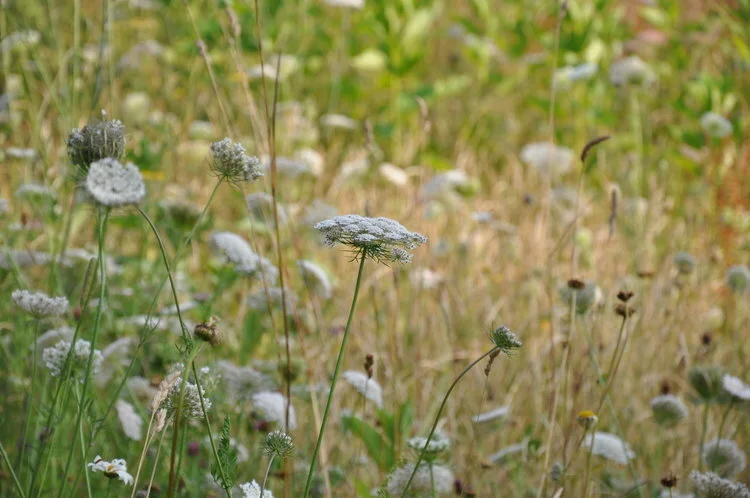
One of the main aims of the site is to ensure that we protect the natural space of the meadow and don't over cultivate or over manage the land. The wildlife element is very much at the heart of the acre.
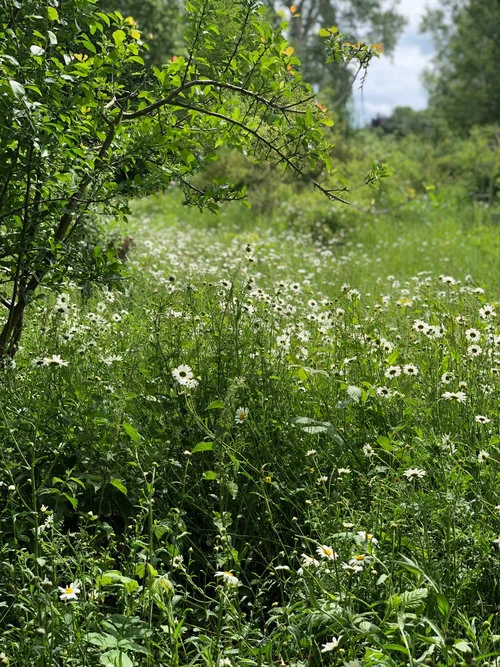
We are fortunate to have a great range of wildlife and variety of natural habitats which we are working to preserve and promote the natural biodiversity.
A substantial part of the meadow is sown with wildflower seed and is allowed to thrive each year. This means we see a huge number of bees and butterflies on the acre during the summer and the insects go on to support so much other wildlife.
space2grow is a part of many local organisations that help preserve the local green spaces with a focus on biodiversity. This partnership between the Farnham areas and the wider landscape helps identify opportunities to support key species.
We work with Surrey Wildlife Trust (SWT) to carry out education workshops as a part of their citizen science programme such as Wildflower identification. We work with local green spaces like St Andrews Churchyard, The Farnham Library and The Farnham Museum to promote the preservation and educate on good practices towards biodiversity such aa partnering with the Museum Gardens and SWT to carry out a Butterfly Count.
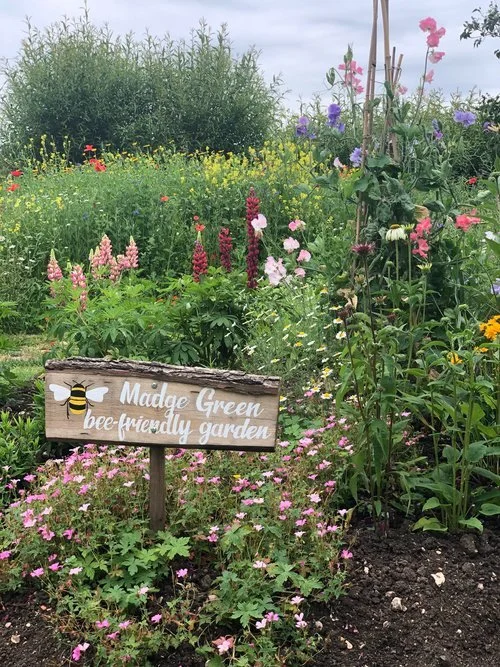
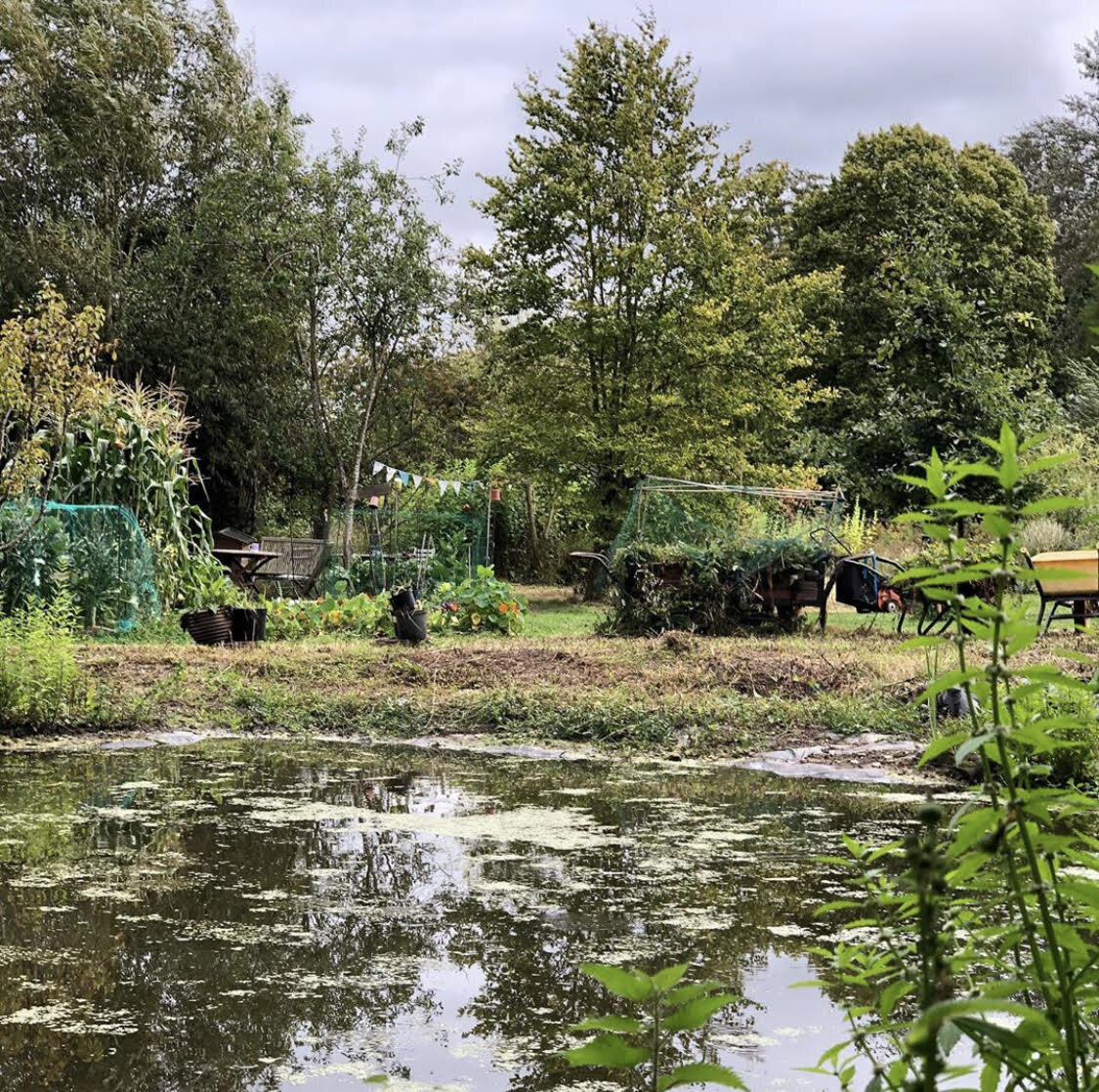
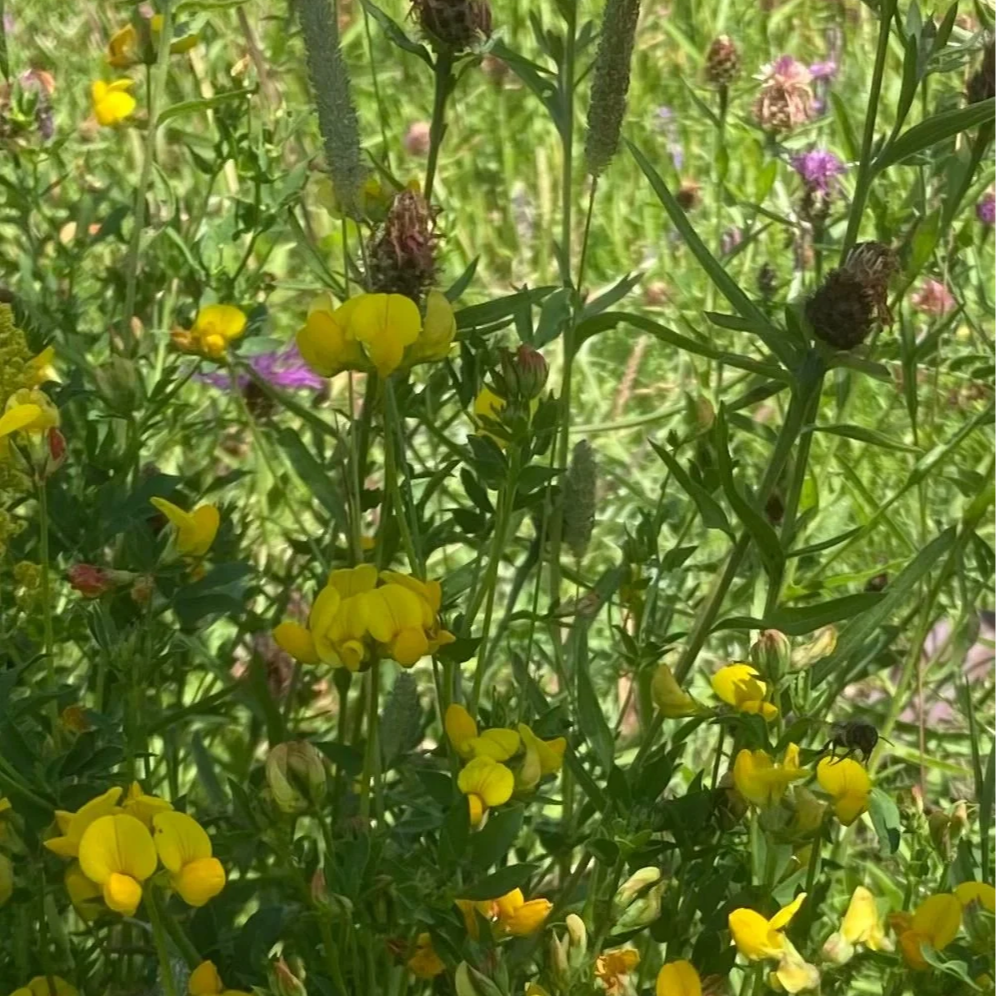
space2grow hosts a number of different habitats; a wild natural pond, mature trees, heavily shaded spaces, wildlife corridors and pollinator pockets. Lots of work has taken place to create new habitats these include; a dead hedge, rotten wood bug habitats, a living wall and bug hotels.
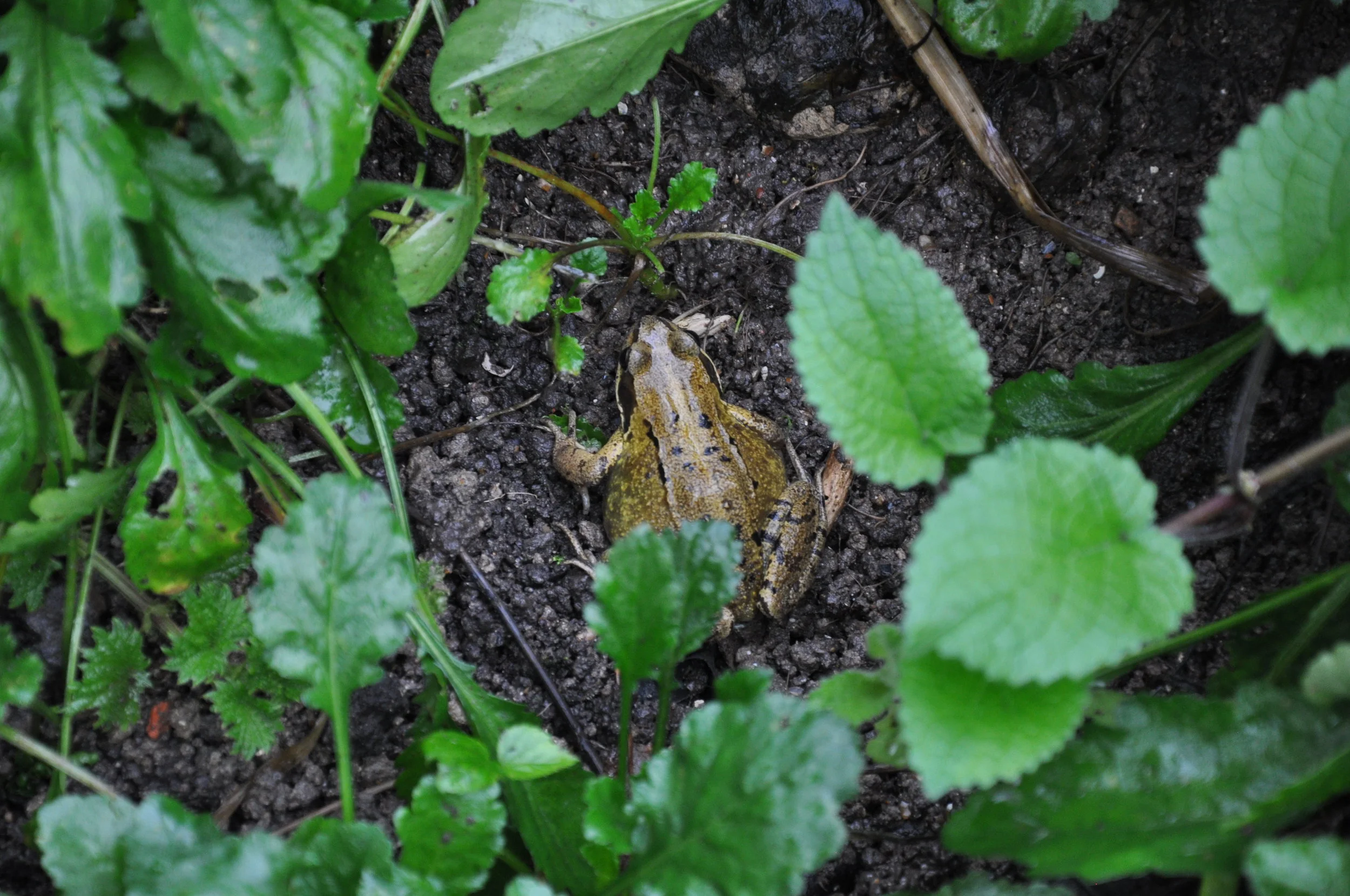
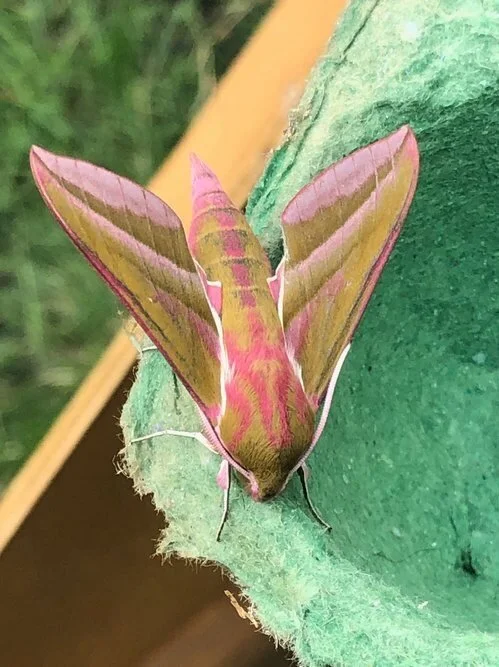
The animals that have been spotted on the acre range from toads and slow worms hidden under the compost, hedgehogs hidden deep within the bamboo and a vast number of moths which we have had the opportunity to get a closer look at with the use of a light box kindly donated to the project.
The acre is also a healthy haven for our birds. The abundance of wildflowers has been amazing for the birdlife. large numbers of the finch family can be seen feeding on seeds. Most commonly spotted are gold finches but green finches are are about too - a little more elusive. We also have a large number of bird feeders which are a popular destination too. Especially prevalent are blue tits and great tits, but there are also coal tits in smaller numbers. Grey wagtails, thrush, robin and blackbird are regularly spotted.
Care has been taken to employ sustainable or ecological gardening practices;
The majority of plants on site have been donated or grown at space2grow from seed or propagated from existing plants – keeping down consumption, purchasing and carbon footprint
No pesticides or herbicides are used on the acre
All weeding is done by hand
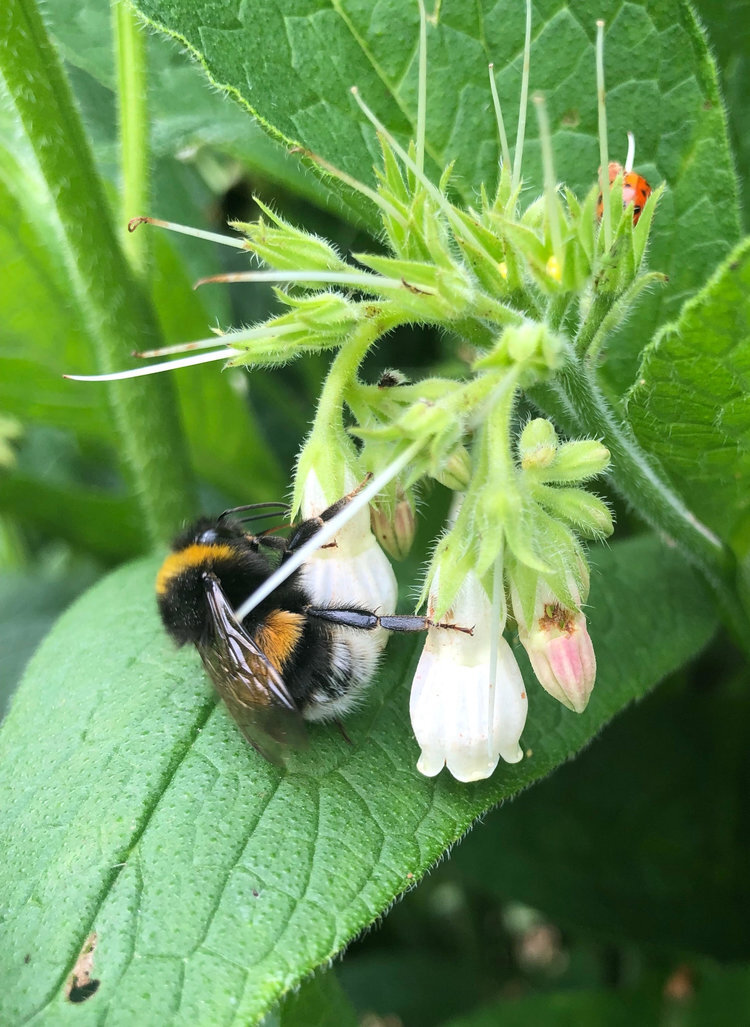
Comfrey liquid plant food is made on the acre and used in the greenhouse
Companion planting is carried out in the greenhouse - tomatoes / marigolds / basil
Lots of hand watering is done and use of drip irrigation to reduce water waste
Physical barriers used as a pest control; insect barrier mesh used against carrot root fly, netting against cabbage white caterpillars
Ivy is left on trees as great for pollinators and other insects
Rain water harvesting with use of water butts and use of rainwater on the beds
Ragwort been left for the cinnabar moth
Native hedge planted to support wildlife, creating an edible landscape – hawthorn, elder, berries, rose hips, sloe berries
Long grass, Wild edges and establishing pollinator pockets
Flowers that are attracted to pollinators, use of deadwood and ivy.
Compost heaps, nettles left
Lots of dead wood to encourage stag beetles. Stag beetles are quite rare and in decline. They prefer warmer areas so in the UK they are confined to the south-east, and they tend to do better in areas where there are old oak trees, hence Farnham is a bit of a stronghold for them.
We work closely alongside The Bishops Meadow Trust which comprises of 31 acres of low lying agricultural land that sit alongside space2grow and are active members of the Farnham Biodiversity Group. The Group has been set up by local conservation and ecology experts who are concerned by the decline in the biodiversity of the natural world. It brings together local conservation groups to draw up and put into practice a detailed Biodiversity Action Plan for the Farnham area.